
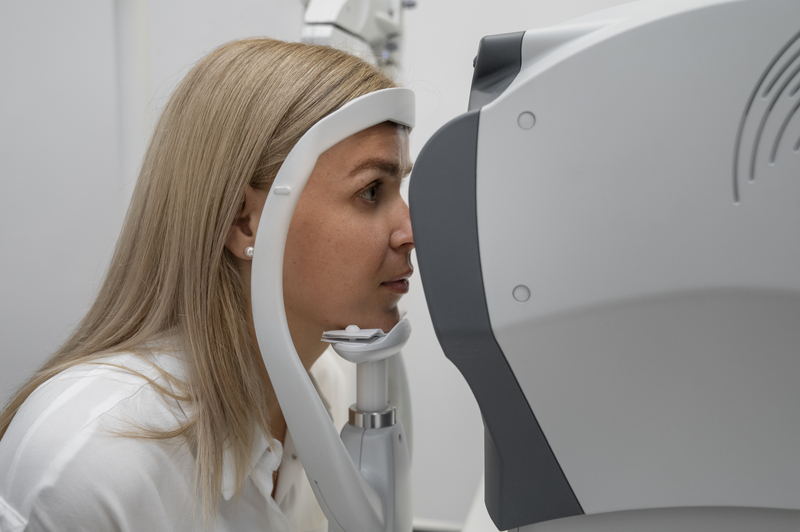
If you’re facing cataract surgery and wondering about the optimal wait between cataract surgery procedures, you’re not alone. This comprehensive guide explains everything you need to know about cataract surgery timing, recovery timelines, and why the wait between cataract surgeries matters for your vision outcomes. Whether you’re considering NHS treatment or private care, understanding the timing for surgeries on each eye will help you make informed decisions about your eye health.
What Happens During Cataract Surgery?
Cataract surgery involves removing the cloudy lens from your eye and replacing it with a clear artificial lens (intraocular lens or IOL). During the procedure, your surgeon makes a small incision and uses ultrasound energy to break up the cataract before removing it. A new lens is then carefully positioned where your natural lens used to be.
The entire process typically takes 15-20 minutes per eye. You’ll receive numbing eye drops to anaesthetise the area and dilate your pupil before surgery begins. Most patients experience immediate improvement in vision, though complete healing can take several weeks.
Modern cataract surgery is remarkably safe, with success rates exceeding 95%. However, like any surgical procedure, there are considerations about timing, especially when cataracts in both eyes require treatment.
Book Your Consultation: Ready to discuss your cataract surgery options? Contact our expert team at 02380 258421 or book online.
Why Do Surgeons Operate on One Eye at a Time?
Operating on one eye first allows your visual system to adjust gradually. When one eye suddenly has crystal-clear vision whilst the second eye remains cloudy, your brain needs time to adapt to this difference.
This approach also provides a crucial safety margin. If any complications arise with the first eye, your second eye remains untouched as backup. Your surgeon can also learn from your healing response and adjust the approach for the second surgery accordingly.
Most eye doctors prefer this sequential approach because it allows them to monitor how well your first eye heals before proceeding with the second procedure. This careful timing helps ensure optimal outcomes for both eyes.
How Long to Wait Between Cataract Surgeries?
The standard wait between cataract surgery procedures is typically 1-2 weeks, though this can vary based on individual circumstances. Your recovery time depends on how quickly your first eye heals and stabilises.
Some patients may need more time if they experience slower healing or complications. Others might proceed sooner if their second eye cataract is severely affecting their quality of life. The decision should always be made in consultation with your experienced eye surgeon.

Key factors affecting timing include:
- Overall health status
- First eye healing progress
- Absence of complications
- Second eye cataract severity
- Patient lifestyle requirements
What Is Bilateral Cataract Surgery?
Bilateral cataract surgery, also known as immediate sequential bilateral cataract surgery (ISBCS), involves operating on both eyes during the same session. This approach treats both eyes within minutes of each other rather than weeks apart.
Whilst not commonly offered on the NHS, bilateral surgery can reduce overall recovery time and eliminate the period of mismatched vision between procedures. However, it also carries increased risks since both eyes are treated simultaneously.
Sequential bilateral cataract surgery requires careful patient selection and is typically reserved for specific cases where the benefits outweigh the potential risks of treating both eyes simultaneously.
Possible Complications of Cataract Surgery
Whilst cataract surgery is exceptionally safe, possible complications can include:
- Infection (endophthalmitis)
- Inflammation (uveitis)
- Increased eye pressure (elevated IOP)
- Posterior capsule opacity (secondary cataract)
These risks are why surgeons prefer operating on one eye at a time rather than both eyes simultaneously. Serious complications are rare, affecting fewer than 1% of patients. Most issues, such as mild inflammation or temporary pressure changes, resolve quickly with appropriate treatment using prescribed eye drops.
Understanding these risks helps explain why your surgeon may recommend a specific waiting period before your second surgery.
Expert Care: At Anderson Eye Care, Mr David Anderson has nearly 30 years’ experience performing cataract surgery with excellent outcomes.
Preparing for Your Second Surgery
Preparing for your second surgery involves ensuring your first eye has healed adequately. Your surgeon will assess your vision, check for any complications, and confirm that inflammation has settled before scheduling the second procedure.
Pre-surgery checklist:
- Stable vision in the treated eye
- Comfortable healing with no pain
- Absence of infection or ongoing issues
- Settled inflammation levels
- Clear cornea and normal eye pressure
Your surgeon may adjust the lens selection for your second eye based on how your first eye responded to surgery. This personalised approach helps achieve the best possible vision outcomes.
Recovery Time After Each Procedure
Recovery time varies between individuals, but most people notice improved vision within 24-48 hours. Complete healing typically takes 4-6 weeks for your eye to fully recover, though many daily activities can resume much sooner.
Recovery timeline:
- Day 1-2: Immediate vision improvement
- Week 1: Significant improvement, return to most activities
- Weeks 2-4: Continued healing and vision stabilisation
- Weeks 4-6: Complete healing and final vision assessment

During the first few days following cataract surgery, you’ll need to use prescribed eye drops to help prevent infection and reduce inflammation. You’ll also need to wear a protective eye shield whilst sleeping to protect the operated eye.
Learn more: Find detailed information about travelling after cataract surgery, including flying guidelines.
Cataract Assessment Before Surgery
A comprehensive cataract assessment involves a detailed eye examination to evaluate the severity of your condition and determine whether you need surgery. This assessment helps your surgeon plan the appropriate treatment approach.
Assessment includes:
- Visual acuity testing
- Detailed eye examination
- Corneal measurements
- Cataract density evaluation
- Discussion of vision goals
- IOL selection planning
The assessment also determines which eye should be treated first if you have cataracts developing in both eyes. Usually, the more severely affected eye receives priority treatment.
Free Consultation: Book your comprehensive cataract assessment at our Hampshire, Southampton, or Jersey clinics.
NHS vs Private Cataract Surgery
NHS cataract surgery is available when your condition significantly affects your daily life. However, waiting lists can be lengthy, and treatment typically focuses on restoring basic functional vision rather than eliminating your need for glasses.
NHS treatment features:
- Standard monofocal lenses
- Longer waiting times
- Basic vision correction
- Limited lens options
- Functional vision focus
Private treatment may offer more flexibility in timing and lens options, including premium multifocal or toric lenses for astigmatism correction.
Private treatment advantages:
- Shorter waiting times
- Premium lens options
- Personalised care
- Flexible scheduling
- Comprehensive aftercare
Scheduling Your Second Eye Surgery
You can schedule your second procedure once your first eye has adequately healed, usually within 1-2 weeks. The exact timing depends on your individual healing progress and surgeon’s assessment.
Your surgeon will want to see that your first surgery has completed successfully, with stable vision and no complications before proceeding with the second surgery. This careful approach ensures the best outcomes for both eyes.
The second surgery is typically more straightforward since your surgeon now understands how your eyes respond to the procedure. Many patients find the second procedure less anxiety-provoking than their first.
Next Steps: Book Your Consultation
Ready to take the next step towards a clearer vision? Our experienced team at Anderson Eye Care is here to guide you through every stage of your cataract surgery journey.
Why Choose Anderson Eye Care?
- Nearly 30 years’ experience with Mr David Anderson
- State-of-the-art facilities at multiple locations
- Comprehensive aftercare and support
- Excellent patient outcomes and satisfaction
- Flexible appointment scheduling
Contact Options:
📞 Call us: 02380 258421 📧 Email: [email protected] 🌐 Book online: andersoneyecare.co.uk
Our Clinic Locations:
- Hampshire Eye Clinic – Nuffield Health Wessex Hospital
- Southampton Eye Clinic – Spire Southampton Hospital
- Jersey Eye Clinic – The Eye Clinic at Rondel’s
Download our free information pack or read more patient testimonials to learn about other patients’ experiences.
Frequently Asked Questions
How long do I need to wait between cataract surgeries?
Most surgeons recommend waiting between 1-2 weeks before having your second surgery, though this varies depending on how well you’re recovering from cataract surgery. The wait allows your first eye to heal properly and gives your surgeon chance to assess your response. Your eye surgeon will examine your treated eye at follow-up appointments to determine optimal timing.
What exactly happens during cataract surgery on each eye?
During cataract surgery, your surgeon removes the cloudy lens from your affected eye and replaces it with a clear artificial lens. The procedure begins with numbing eye drops, followed by a tiny incision. Using ultrasonic energy, the surgeon breaks up the cataract before positioning the new lens. Each surgery takes around 15-20 minutes.
Why can’t I have bilateral cataract surgery on both eyes simultaneously?
Whilst bilateral cataract surgery is sometimes performed, most surgeons prefer treating one eye at a time for safety. If complications develop, having surgery on both eyes simultaneously could affect both eyes rather than just one. The sequential approach allows your brain time to adjust whilst your untreated eye maintains existing sight.
How do I know when a cataract develops and requires surgery?
A cataract develops gradually as proteins cause the lens to become cloudy. You might notice colours appear less vibrant, reading becomes difficult, or increased glare from headlights. A comprehensive cataract assessment will determine whether your symptoms warrant surgery – generally when your cataract significantly impacts daily activities.
What should I expect while recovering from cataract surgery?
Most patients notice improved vision within 24-48 hours. You’ll use prescribed eye drops daily and wear a protective eye shield whilst sleeping. Complete healing takes 4-6 weeks, though normal activities usually resume within days. Avoid strenuous activities initially and don’t drive until your surgeon confirms your vision meets legal requirements.
Will I need glasses after my cataract surgeries are completed?
This depends on your lens type and vision goals. Standard monofocal lenses (typical NHS option) provide excellent distance vision but usually require reading glasses. Premium multifocal lenses can reduce dependence on glasses but aren’t routinely available on the NHS. Your prescription requirements become clear once both eyes have healed completely.
Can complications delay my second cataract surgery?
Yes, complications from your first surgery may affect timing. Issues like infection, inflammation, or elevated pressure need resolution before proceeding. Your surgeon monitors healing at follow-ups. Contact your eye hospital immediately if you experience severe pain, vision loss, or excessive discharge.

